Hiking During Hunting Season: Safety Tips

Our public lands are utilized for a wide range of outdoor sports and activities. One of the most popular fall activities here in Pennsylvania is hunting. Because many public lands are shared-use areas, it’s important to know how to respectfully share the woods and be safe during this time of year. These tips are not intended to be comprehensive of all hunting regulations, so please visit the PA Game Commission’s website for details on hunting seasons.

Disclaimer: The dates and regulations shared here are specific to Pennsylvania. Be sure to check your local hunting regulations for specifics. Regulations may change year to year, so please do your research!

I am not a hunter, but I do support everyone’s right to recreate on our public lands! I enjoy hiking all year round, and that often means getting outside when hunters are also out in the woods. Here are some ways you can still get out on the trails while being respectful of other park-users and staying safe. Remember that hunters are strong advocates for public lands and are our allies in conservation!

Hunting supports wildlife conservation

The Pennsylvania Game Commission’s mission is to manage and protect wildlife and their habitats. The revenue generated from hunting and fishing licenses goes right back into land and habitat conservation. Sometimes people think that hunters and hikers are at odds, but I see us as partners in our love of the great outdoors!

Hunters Wear Orange and So Should You!

One of the best ways to stay safe on the trails is to wear fluorescent orange, also called blaze orange. This is a highly visible color and alerts others to your presence. In fact, in Pennsylvania, from November 16 to December 16, everyone recreating on State Gamelands must wear 250 square inches of blaze orange that can be seen on all sides. However, it’s a good idea to wear orange throughout the entire hunting season, wherever you are hiking. I like to wear an orange hoodie or a high-visibility vest! Make sure that you have orange for your pets too, and keep them leashed at all times.

Another good idea is to wear a bell or something that will make noise to alert nearby hunters to your presence. I also like to hike with friends, so the chatter keeps us from accidentally sneaking up on someone!

Tip: leave an orange vest in your car so that it’s always ready if you need it!

Consider Hiking in Other Locations

I never hike in State Gamelands during hiking season. There are so many other options for hikers, while hunters are restricted to those specific areas. So, it’s a good idea to leave the game lands to them.

Of Pennsylvania’s 124 state parks, 100 allow hunting in specific areas. I usually try to stick to the non-hunting areas when possible! Typically, hunting is not allowed in state parks on Sundays except on November 16, 23, and 30 for 2025. There are also lots of county and local parks that don’t allow hunting at all. These are great options for hiking during hunting season. Please note that some local parks have active deer management programs that may include archery. Always check the current regulations before heading out.

Looking for parks in Western PA that don’t allow hunting? Check out the Nine Allegheny County Parks, Dead Man’s Hollow, Boyce Mayview Park, Montour Woods Conservation Area, Riverview Park, and Duff Park

Don’t Hike at Dawn or Dusk

Wildlife is most active first thing in the morning and in the evening. So that’s when the hunters are out! Try to avoid hiking at this time when visibility is low.

Hunting Seasons Vary…

…but it’s your responsibility to stay informed! The most dangerous period is during firearm season. Regular firearm season for deer runs from November 30-December 16, 2025, in Pennsylvania. These dates may vary year to year! There are also special seasons for archery, small game, trapping, and more.

Hiking During Hunting Season: Safety Tips

In Pennsylvania, it’s crucial for outdoor enthusiasts to respect shared public lands during hunting season. Wearing blaze orange, hiking in non-hunting areas, and staying informed on regulations enhance safety for all users.

The Nine Allegheny County Parks

Allegheny County features nine regional parks encompassing over 12,000 acres of recreational land, offering various activities such as hiking, wave pools, and sporting fields. The parks are maintained by the county and supported by the Allegheny County Parks Foundation.
Top 10 Activities at Hartwood Acres Park

Hartwood Acres, a 630-acre county park near Pittsburgh, features a historic Tudor-revival mansion, multi-purpose trails, and various attractions like gardens and a dog park. Visitors can enjoy free concerts, hiking, biking, tours, and special events year-round.

Hiking While Pregnant: A Guide for Moms-to-Be

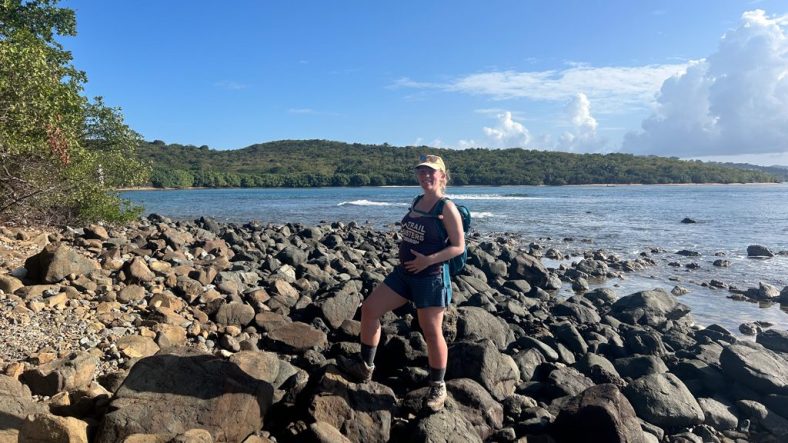
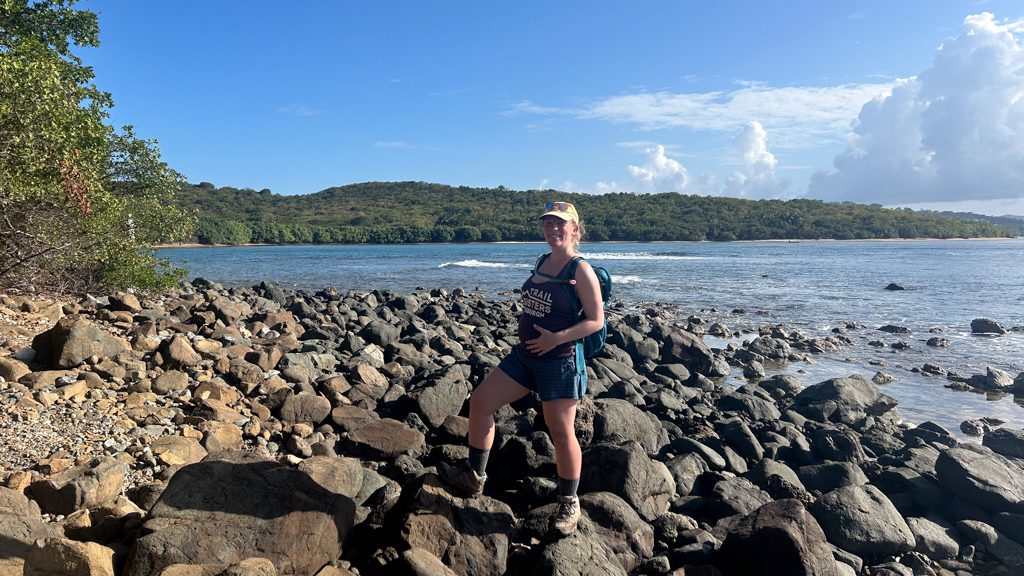
Beach hike in Puerto Rico at 25 weeks pregnant

Finding out that you’re expecting can usher in a whole range of emotions. Excitement, anxiety, fear, elation. But one thing you might worry about is if you’ll still be able to do your favorite activities. Well, expecting a new family member doesn’t mean your hiking days are done! Your body goes through some major changes throughout pregnancy, but there are plenty of ways to modify your activity so you can still safely hit the trails. In fact, exercising through pregnancy is usually recommended!

Disclaimer: I’m not a medical professional, so always check with your doctor first to make sure that hiking is still considered safe, especially if you have any complications. 

This post contains affiliate links, meaning I get a commission if you decide to purchase something. I have only shared links for items I have personally tested and would recommend. All income I may receive goes back into hosting and running this site!

These are some tips for getting out there while pregnant! Please remember that everyone’s experience is different, and you should only keep hiking if you feel comfortable and your doctor gives the thumbs up. 

10 Tips for Safe Hiking While Pregnant (All Trimesters)

  1. Stretch out first! 
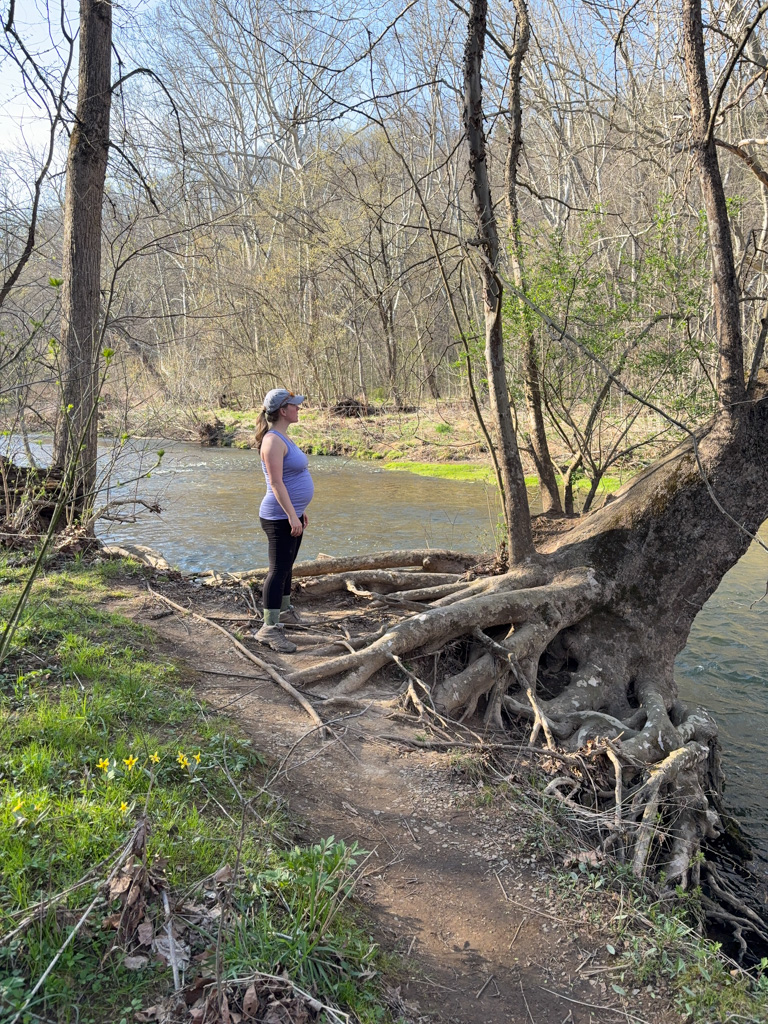
Solo hike at 32 weeks

I used to roll out of my car and hit the trails. But it’s a good idea to take some time to stretch and loosen up your muscles and joints, especially while pregnant. It helps to avoid injury and reduces soreness. Plus, your back and joints will thank you! Remember, if anything starts to hurt or doesn’t feel right, call it quits or try an easier hike. 

  1. Embrace a slower pace on easier trails 

It’s not a race! With all that extra blood in your system and a little one pressing on your lungs, it’s a good idea to stick to trails with less elevation. Especially later in pregnancy when mobility is more difficult, stick with trails that you already know and feel comfortable with. 

  1. Pack Plenty of Water

Okay, I always suggest bringing water on a hike, but when you’re pregnant, bring even more! I also like to keep an extra bottle in the car for my drive home. I’ve been packing about twice as much water as I would on a normal hike. Better to have too much than to run out! Take sips throughout your hike and don’t wait until you feel thirsty to drink. I always pack my hydration pack for hikes these days.

  1. Have a Pee Plan 

So with all that water, you’re definitely going to have to pee on the hike. Even if you’re someone who doesn’t usually feel the urge, make sure to have a game plan in case the water hits when you least expect. I highly recommend investing in a pee funnel. This is a cheap tube that allows you to pee while standing up and doesn’t require you to fully pull your pants down. It’s been a lifesaver on my pregnancy hikes! A pee cloth also helps clean up and doesn’t stay wet or smell.

  1. Hike with Trekking Poles

I’ve never been one to hike with trekking poles, but I’ve been converted. It’s incredible how much your balance changes while pregnant, even before you have a big belly. Between carrying more weight, relaxin loosening your joints, and early pregnancy dizziness, you’re bound to feel a little off balance. I found that hiking with poles helped steady me and made going uphill so much easier. Also, definitely opt for sturdy shoes with plenty of traction. 

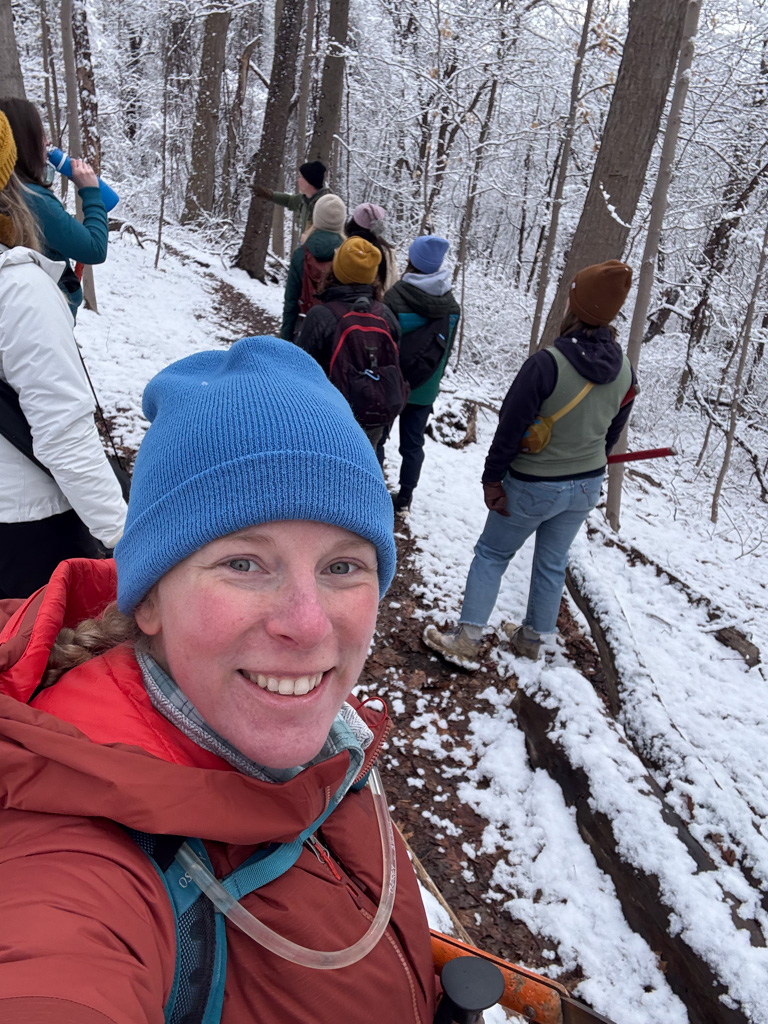
Winter hike at 18 weeks. Poles were life-changing!
  1. Snack often 

Make sure to bring plenty of snacks! We all know snacking is one of the best parts of hiking, but remember that your body is burning a lot more calories and you’ll need to replace them faster. Plus you don’t want your blood sugar to dip and cause any additional dizziness

  1. Rest Often 

You will probably find yourself getting tired more easily. It can be frustrating to feel like you can’t do as much, but remember your body is working really hard to make that baby! Be kind to yourself and take frequent breaks. You’ll notice that your heart rate will increase faster than usual, and you may get overheated more easily (thanks blood). Just take it easy and remember you can always cut a hike short if needed. Never push yourself, especially if it’s sunny or the temperatures are high.

  1. Remember sunscreen and bug spray 

Being pregnant is already uncomfortable enough; don’t add bug bites and sunburn to the mix! Bring your sunscreen and bug spray and apply often! If you live in a hot, sunny climate, try to hike early in the day to avoid being out in the most intense sun.

9. Lighten the load

Hike and trailwork day at 26 weeks

It’s important to have everything you need for a hike, but make sure not to overpack or try to carry too heavy a pack. If you’re hiking with a partner or a group, see if others can take on some of the heavier items. You’re already carrying an extra load; you don’t need to add an extra heavy pack on top of that!

  1. Have a change of shoes in the car

You’ll thank me for this one. Have a pair of sandals or slides in the car to change into after your hike. The foot swell is real and nothing feels better than changing out of your boots and letting those toes breathe!

A final note: There’s a lot of pressure out there to be a #fitmom. Do your best to ignore these pressures (here’s looking at you social media) and only do what feels comfortable to you. While exercising is important, for me what made hiking throughout my pregnancy enjoyable was being able to recharge in nature, rather than getting in the miles. You never know how your body is going to react while growing a human. Real talk: Prior to my pregnancy, I had just finished a season of running more than I ever had in my life, even completing my very first ultramarathon. But by week 13, I was no longer able to run even a mile due to extreme pelvic girdle pain. Hiking became one of the only ways I could still comfortably enjoy nature. And even by the last few months of pregnancy, I couldn’t hike more than 2 miles. So, if you can, prioritize hiking for your mental health, rather than your physical one. And please remember to be kind to your body; it’s going through some stuff right now!

Looking for more hiking and gear tips? Check out my ultimate hiking gear guide to find all the things I personally recommend for a day on the trails

Earth-Friendly Tips: Hiking Edition

Looking to do your part this Earth Day? Here are some sustainability tips to make your next adventure more eco-friendly. Remember: you don’t have to make big changes to have an impact! Try adopting one or two of these suggestions on your next hike and see how it goes!

  1. Pack Out Trash – Make sure to always pack out your trash, including pet waste, compostables, and food wrappers, especially in areas where trash cans might not get emptied very often. I like to carry a trash bag in my hiking bag to also pick up any trash I see along the trail.

  1. Carpool to Trailhead – If hiking with a group, try to reduce fuel use by carpooling to the trailhead. Bonus, you won’t take up as much space in the parking lot and be less likely to park outside of designated areas

  1. Be a hiking steward – Recreate responsibly! Only park in designated areas and stay on marked trails. Don’t pick wildflowers and let animals be wild. Remember to always Leave No Trace!

  1. Educate Others – When hiking with new (and sometimes even experienced hikers) help them to understand how to be more sustainable hikers and gently remind others of the principles of leave no trace.

  1. Avoid single-use plastics – Whenever possible, try to avoid using wrappers or baggies that you immediately throw away. Opt for reusable sealable bags for snacks, bring water in a metal bottle or hydration pack, and dry bags for keeping electronics and gear dry. Or even just make sure to keep reusing a ziploc baggie!

  1. Repair Gear or Shop Secondhand – As much as we love new gear, sometimes all we need is to repair a tear or get a new zipper. Or if you really need to replace something, try to get it secondhand or check your local Buy Nothing groups. And make sure to donate or recycle old gear!

  1. Shop Local – Another gear one, always shop local for all your hiking needs! Not only does this support the local economy, but you can also have a better sense of where your products are coming from and choose to support businesses that invest in sustainable practices. Plus, it cuts back on shipping materials!

Let’s work together to preserve this beautiful planet for generations to come! Each person can do something small to make a difference this Earth Day!