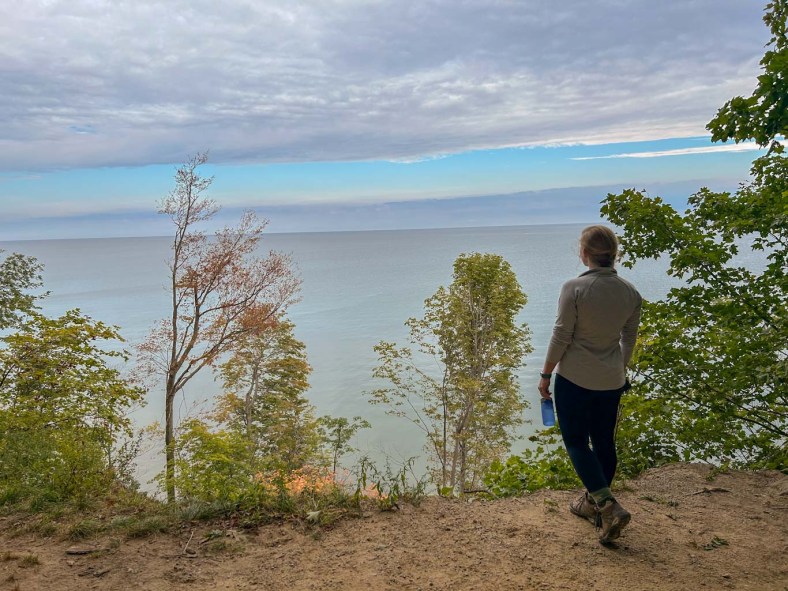
One of the things that I love about hiking is that you don’t have to have a ton of gear to get outside! Shoes and a water bottle and you’re on your way! However, there is a lot of gear that makes hiking more safe and more enjoyable. While you can always shop at your local outdoor store or places like REI, also think about thrift stores, consignments, or even local Buy Nothing groups. Being safe outdoors doesn’t have to cost a fortune!
Disclosure: This post contains affiliate links, meaning I get a commission if you decide to purchase something. I have only shared links for items I have personally tested and would recommend. All income I may receive goes back into hosting and running this site!
Hiking Clothes
When it comes to hiking clothes, there’s no one-size-fits-all approach. The most important thing is your own comfort! A few general rules for clothing are to avoid cotton (it holds moisture so it can leave you very sweaty or cold), layer up, wear sturdy shoes, and protect from the elements (sun, rain, cold, etc).
If you’re looking to upgrade or invest in your hiking wardrobe, consider replacing key items with fabrics like merino wool, polyester, or nylon, which all are naturally moisture-wicking and will keep you more comfortable. Consider layers that have additional UV protection if you hike in sunny regions! Also, invest in good outer layers like a raincoat and winter coat to protect you from the elements. Remember to always check weather conditions before heading out and plan your gear accordingly.
Shoes
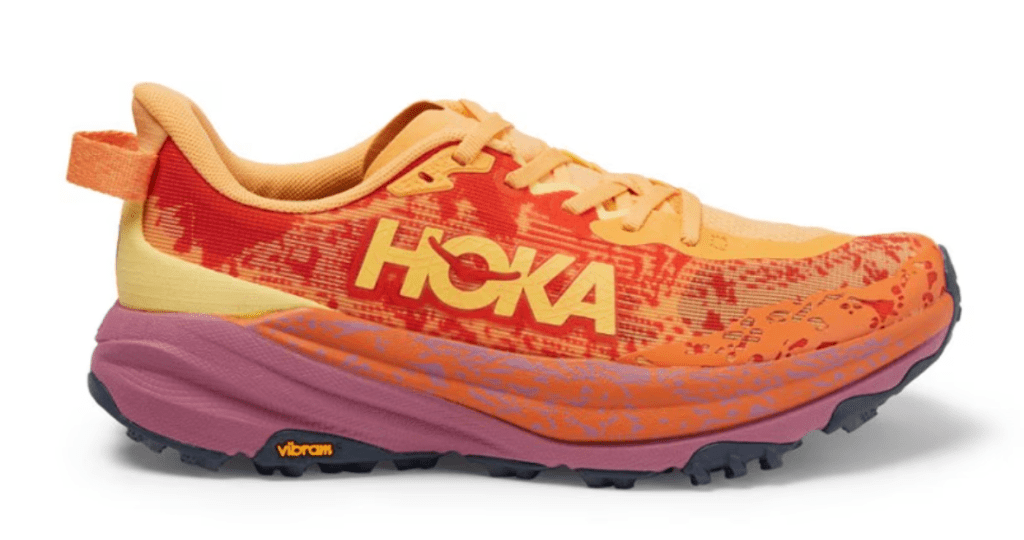
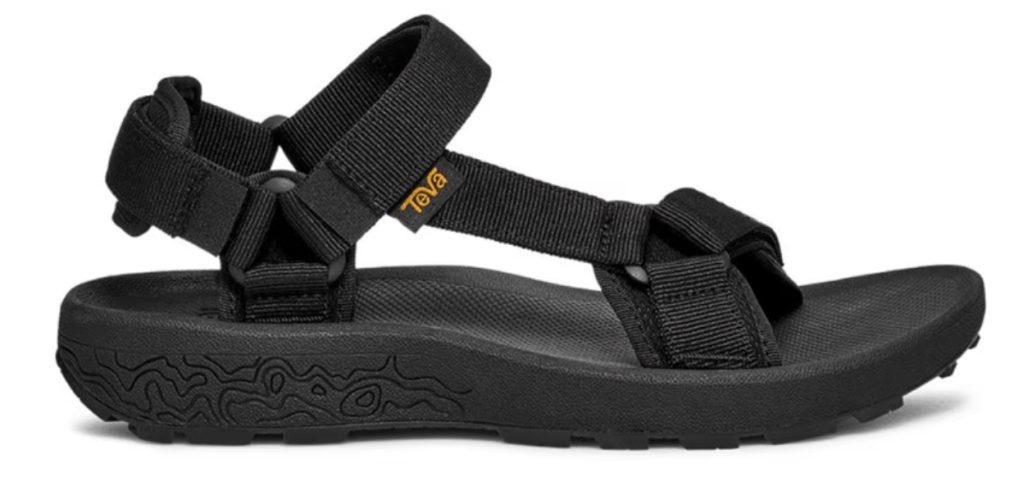
What you wear on your feet can really make or break a hike. While you definitely can get a lot of miles in tennis shoes, investing in trail shoes offers more traction and support. I’ve been a Merrell supporter since my first pair of hiking boots and I’ll probably never look back! I have weak ankles so I really like the higher fit of the Merrell Moabs which helps stabilize my ankle on uneven trails. The downside to hiking boots is that they can get heavy. If you’re looking for a lighter option, consider trail runners. I love my Hoka Speedgoats and have never fallen wearing them! If I’m doing an easy hike in the summer or I know there’s going to be stream crossing or a chance to go swimming, I’ll pack my Teva sandals. These are also great for leaving in the car to change into after a hike.

Socks
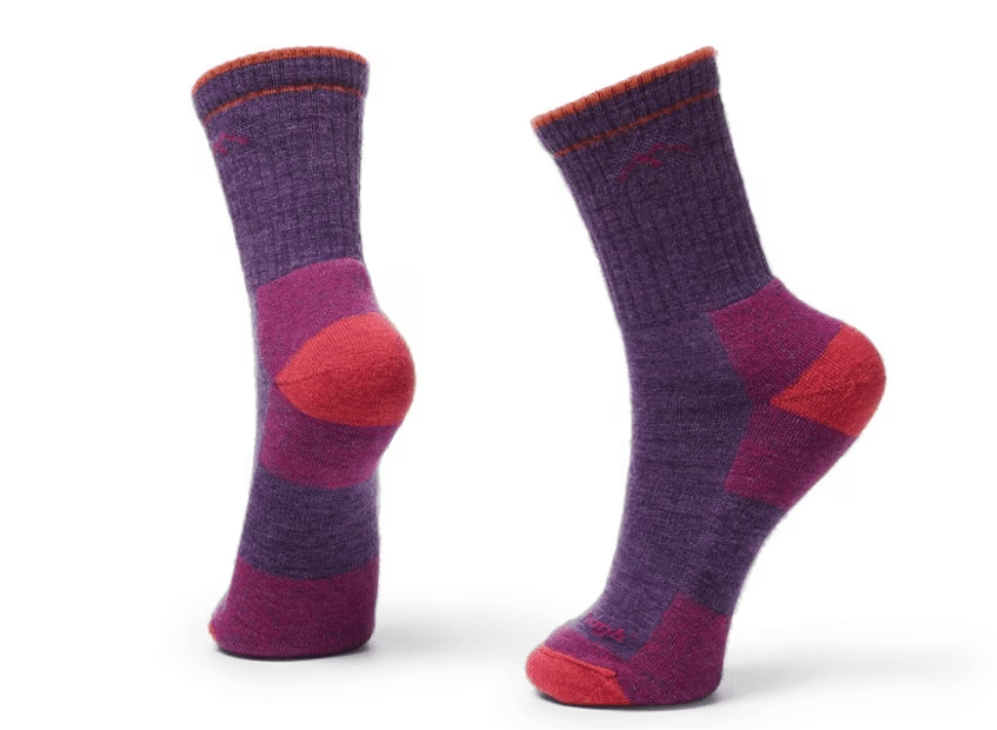
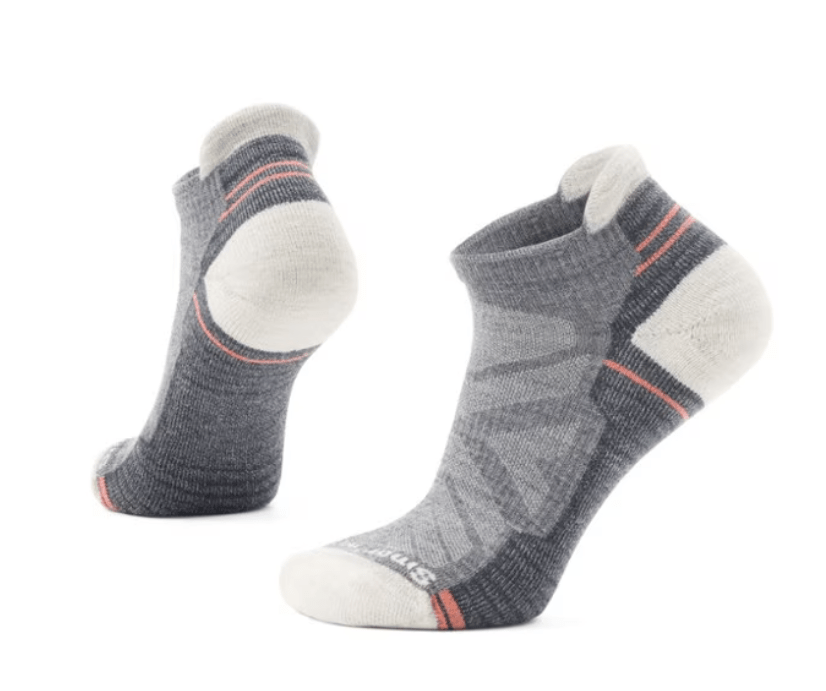
Anyone who has ever suffered from blisters knows that shoes are only as good as the socks you wear under them. The best socks for hiking are made of merino wool, which is quick-drying and warm. Seriously do not go with cotton socks! I love my Darntough crew socks not just because they come in cute designs but also because they keep my feet cozy in the winter and dry in the summer. They also last for ages. My first pair has lasted over 6 years! My second favorite brand is Smartwool, which I really like for my trail runners. These Smartwool ankle socks are lightweight but fast-drying and never slip down while I’m jogging.
Clothing
You definitely don’t need specialized clothing to get into hiking. For years, I just wore regular gym clothes or comfy leggings or sweats. But if you’re starting to do a lot more hiking, it’s worth investing in a couple key pieces
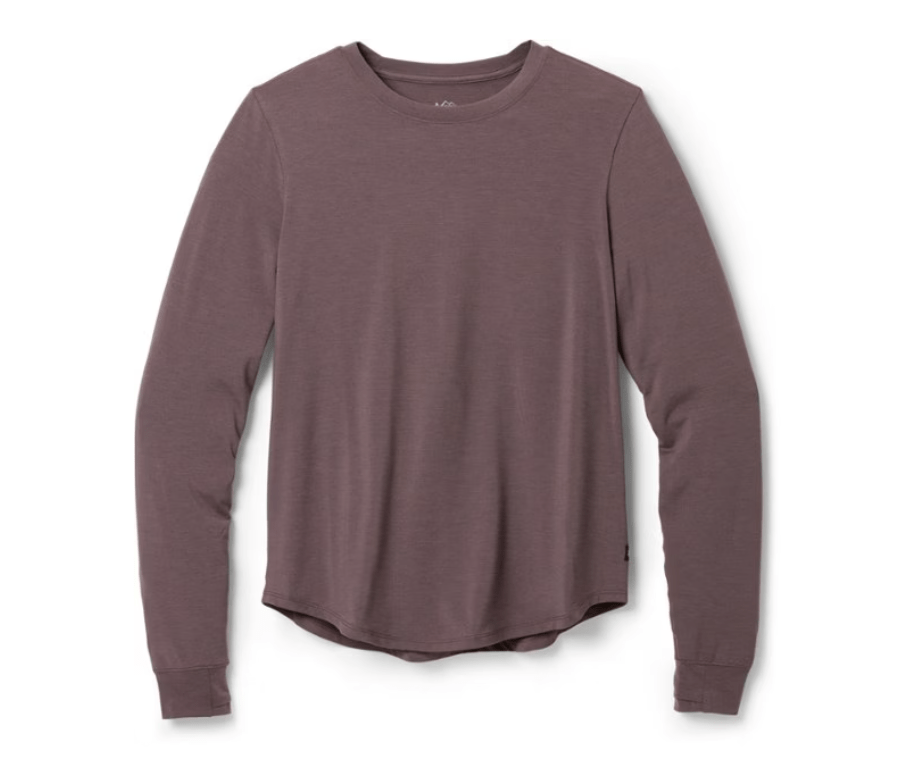
- Shirts – I love my REI Sahara shirt, it’s my go-to for warmer weather. I also use the REI Active Pursuits long sleeve shirt as a base layer year round. Both of these shirts have held up through major hikes and runs and I would definitely buy them again.
- Pants – For years, Prana has been my go-to brand for hiking pants and shorts. They are pricey but the quality is so good and I really like that they dry very quickly and the pants are roomy enough to allow for leggings underneath on super cold days. The short never ride up and even on long hikes, I haven’t had chafing.
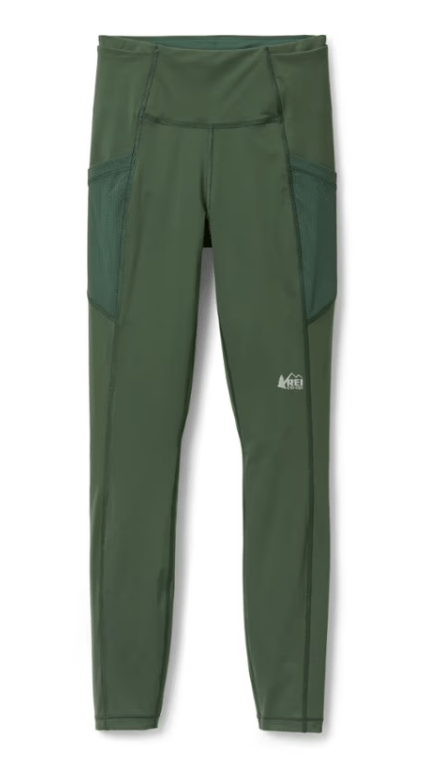
- Leggings – Sometimes I prefer to hike in leggings or wear them under my other pants in winter. You don’t need specialized hiking leggings, but if you can, try to invest in non-cotton exercise leggings. I found these Swiftland Running Tights on clearance at REI and they’ve been my favorite hiking leggings.



Outer Layers—No matter where you’re hiking, having the right layers is important. They keep you warm, protect you from the sun, and shield you from rain. I always pack extra layers when I’m out in the woods, as you never know how the weather might fluctuate.
- Light jacket/Sun shade – During the summer, I always pack a lightweight fleece, sweatshirt, or windbreaker. I also almost always have my REI rain jacket, which I sized up so I can wear a fleece underneath it. I also picked up a Marmot rain jacket which I love for running or intense hikes because it has armpit zippers to help let out some of your body heat!
- Fleece/Mid-weight jacket – You can’t go wrong with the Trailmade Fleece from REI. It’s perfect for layering and it packs away very easily. Just remember that fleece doesn’t offer any wind protection! I also have a number of quarter-zip sweatshirts that I got from Marshalls or clothing swaps that are great for adding an extra layer.
- Puffy Jacket
- Heavy Duty Winter Jacket – I dragged my feet for years about getting a good winter coat. I just couldn’t get over the price! But I finally got this Stormhenge Jacket from REI and I haven’t been cold on a winter hike yet!


Hiking Gear
Hats
Headgear is essential for sun protection, warmth, or both! It’s pretty rare that I hike without a baseball cap to keep my hair back and sweat off my face. I almost always just wear whatever basic ballcap I have on hand, but recently, I also invested in a UV protection and moisture-wicking hat for running and it’s pretty sweet. For the winter, I just wear whatever knit beanie I have on hand. Usually repping a local brewery! If you want to upgrade, thermal reflective beanies are always nice to have.


Gloves
If you’re hiking in the winter, invest in a good pair of gloves. Get a pair that is moisture-wicking, waterproof, and has a touchscreen fingertip. Some of my hiking and running friends like to pair a Merino wool glove liner with mittens or heavier gloves!
Sunglasses
If you’re like me, you loose sunglasses all the time. That’s why I really like the Goodr sunglasses. They’re relatively cheap so I don’t feel bad about replacing them nearly every season (why am I like this). Plus there’s so many fun colors! Just make sure to store them in the cloth bag they come in as the polarized coating easily scratches off.

Packs
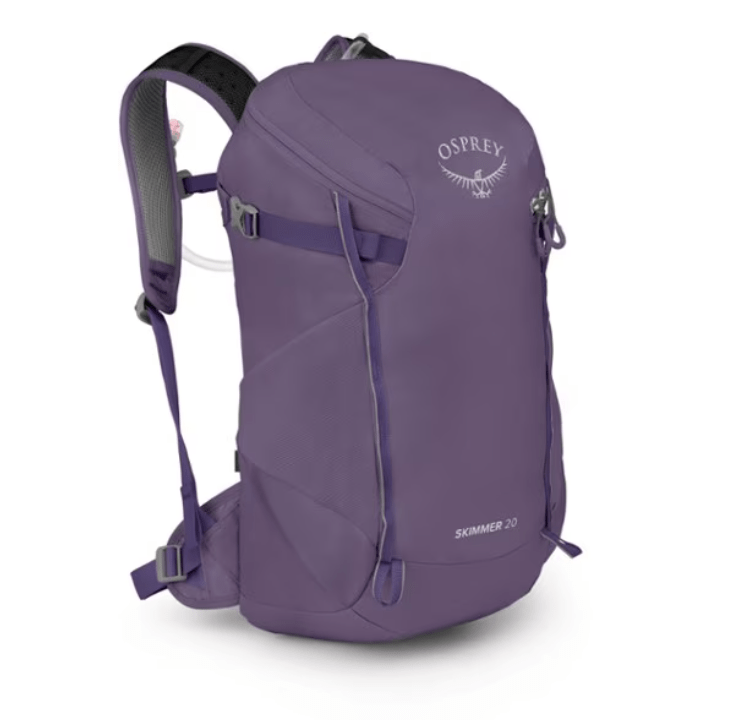
Packs are a great way to carry all you might need for a day of hiking. Even if I’m not going out for too long, I usually have some sort of small bag to carry water, snacks, and first aid supplies. Patagonia makes a series of really fun colorful hip packs that are perfect for stashing a snack and a phone. For a slightly longer hike, I use an old Camelbak slouch bag. This is a similar newer version! I really like having a water bottle sleeve so I don’t have to carry it around. A small pack is perfect for shoving extra layers too. For an all day adventure, I love my Osprey daypack. I got the Skimmer 20 with a hydration pack on consignment, but I’ve also heard great things about the Daylite packs. I actually use my pack as a carry-on for travels because I’m always shocked at how much I can fit into it.

If you’re looking to get more into overnight backpacking, check out Tory’s Must-Have Backpacking Gear over at My Trails are Many.
Hydration
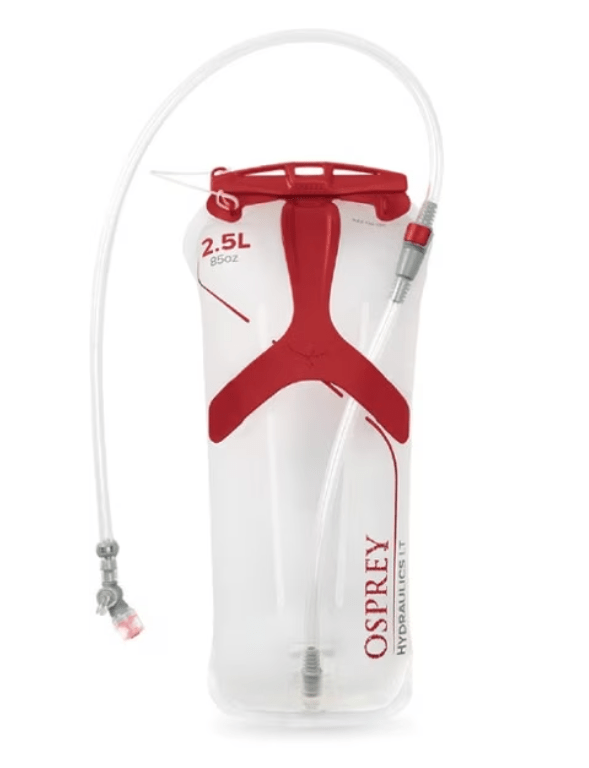
Staying hydrated while hiking is essential, no matter the time of year or the length of hike. Make sure to carry a water bottle or water reservoir with you whenever you hit the trails. It’s funny how many water brands have exploded over the years. I’m not loyal to any one brand, but I prefer a sealable, metal bottle. I’ll take the extra weight if it means having cool water on a hike! An easy, hands-free way to carry water is in a water reservoir in a hydration pack. These reservoir (sometimes called bladders) come in a variety of sizes. I have both a 1.5 liter and 2.5 liter. Just remember that water is heavy so plan accordingly based on the length of your hike and the weather. I’ve also gotten in the habit of bringing my 2.5-liter on vacation trips which means I never have to buy plastic water bottles!
Poles & Traction
Let’s talk hiking poles. For a long time, I thought poles were only for really difficult mountain hikes. But I finally invested in a pair and I don’t think I’d ever go back. They are so useful for extra stability and absorb pressure on your knees going up or downhill. I invested in a pair or collapsible Black Diamond poles that come with snow attachments. They come in a pair and usually my partner and I each use one. I like how lightweight they are and that they easily can slide into my daypack if I don’t need them.
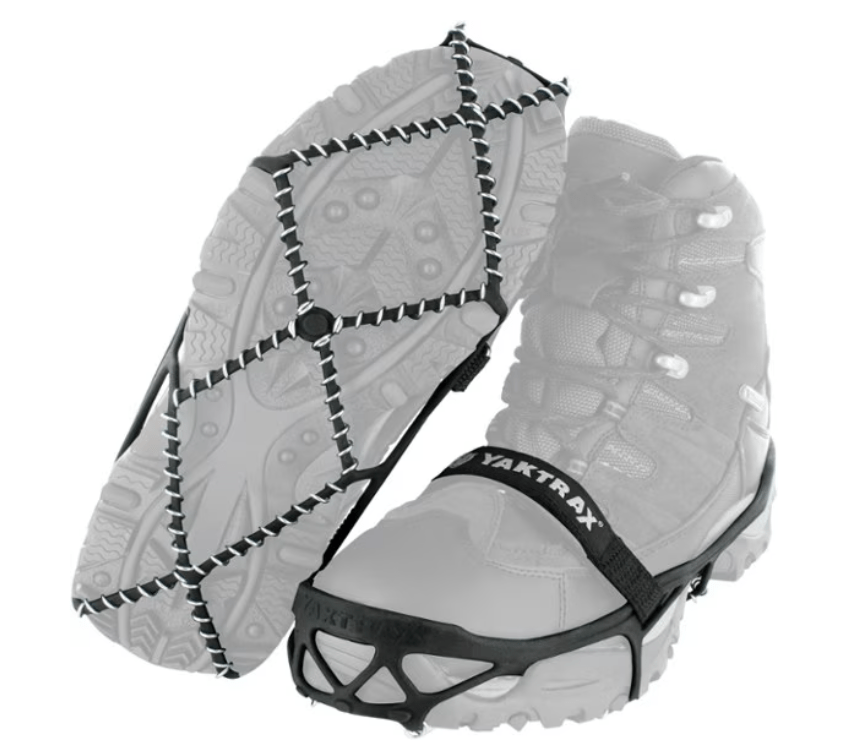
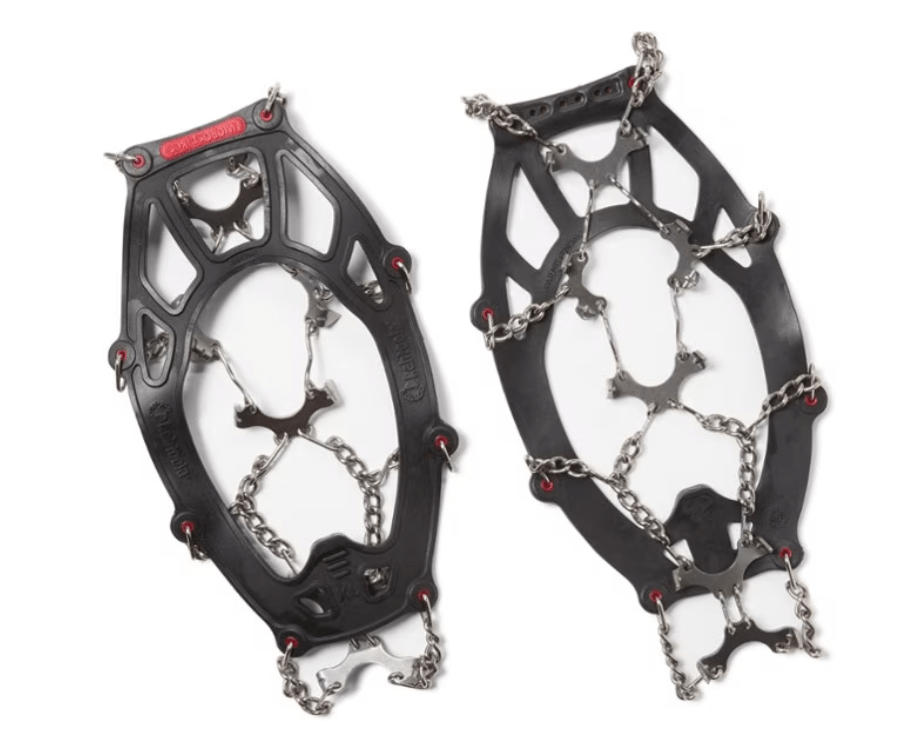
If you live in an area that gets snow and ice in the winter, you’ll want to invest in traction devices for your shoes. While some people hammer nails right into their hiking boots (yes, seriously), I’d recommend getting microspikes that stretch over your shoes and can easily be removed. I have a knock-off branch of Yaktraks like these that I got from a previous job and they really get the job done. If you’re going to be doing a lot of icy hiking, these Kahtoola microspikes can’t be beaten. Remember to always check weather conditions before heading out and know when to turn around if conditions are unsafe!

Remember, there’s a lot of gear out there but you don’t need everything to enjoy a day in the woods! These are just some suggestions if you want to get more serious about your hiking addiction hobby. Have a favorite brand or notice a key thing I’m missing? Reach out and let me know!
Tips for Saving on Gear
Gear is expensive. I’ve been building up my collection slowly and started out by only investing in a few key items. I’ve been able to save money by sourcing gear a few different ways:
- Gear Swaps – my trail running group has seasonal gear swaps where we trade clothing and other gear that we no longer need. I’ve been able to get lots of clothes this way!
- Consignment or Resale – Check your local outdoor shop for a consignment or resale section. REI locations have the Resupply used gear section where you can sometimes find great deals.
- Sales – Shop strategically throughout the year to sale steep discounts! I always make sure to buy new running shoes or boots on Labor Day or Memorial Day when REI has the biggest discounts
- Facebook Marketplace and Buy Nothing – It takes a bit more work, but I’ve seen some really good deals on gently used gear on Facebook! Just make sure to set up a time to check out the item and don’t go alone if you can help it.
- Borrow first – For some major purchases, think about borrowing from a friend or renting from an outdoor store first. For my first backpacking trip, a friend lent me gear so that I could test things out
Ready to start planning your next adventure? Check out my recent hikes for inspiration! Happy hiking!
/
Looking for more adventures in Pennsylvania and beyond? Check out my new book: Beer Hiking Pennsylvania and New Jersey
 Hikes and Hops
This gear list feels refreshingly down-to-earth—no fluff, just what actually works out there.
You can tell it’s built from real trail time, not just catalog browsing.
I especially liked the mix of must-haves and “nice-to-haves”—super helpful for dialing in your own setup. I also write a lot about outdoor gear.
Definitely bookmarking this for my next gear check before hitting the trail.
LikeLike
Thank you so much! What a kind comment, I’m so glad that you found my list helpful!
LikeLike
Really enjoyed this guide—clear, well-structured, and very helpful for planning hiking trips. The gear recommendations are spot on.
For anyone looking for a detailed hiking boots review with comfort, traction, and durability breakdowns, we’ve also covered.
LikeLike
Thanks so much! Love the hiking boot breakdown, I know where I’m looking next time I’m in the market for a new pair!
LikeLike